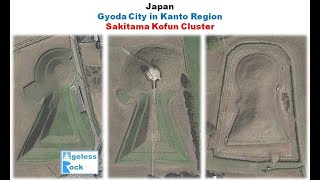
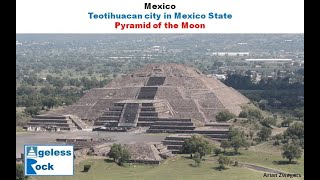
Four ways of working stone do, and Bernie Ong has spent years tracing them.


Ageless Rock is not a travel channel. Each episode is assembled, sequenced and narrated rather than shot on location, and that is precisely why the pattern is visible from it. A traveller is bound by an itinerary. A researcher can set Ethiopia beside Peru on the same screen, and do that often enough and the same four methods keep surfacing. What follows is those four, and then every episode he has made.
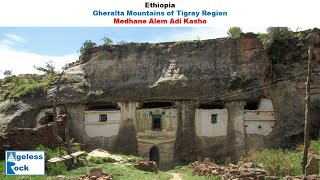
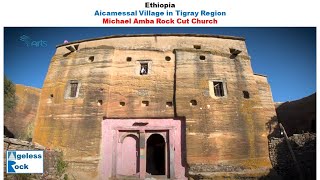
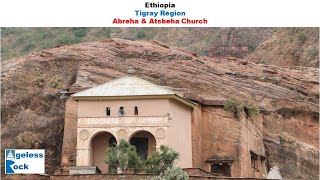
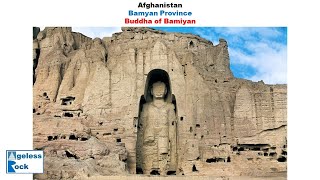
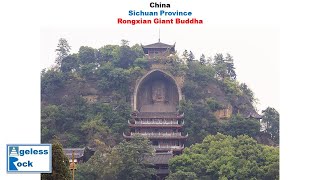
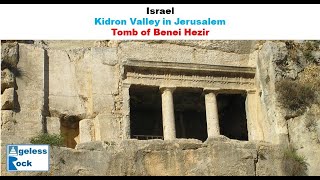
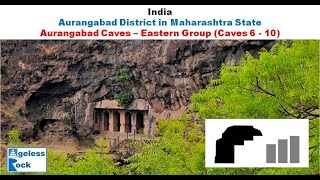
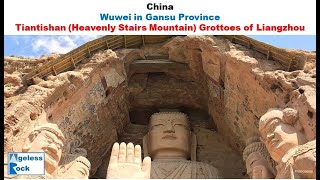
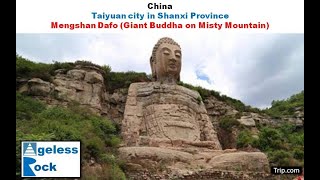
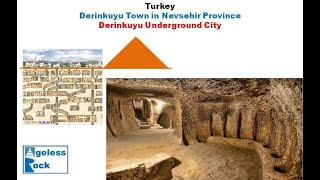
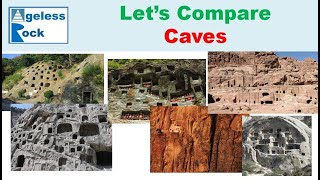
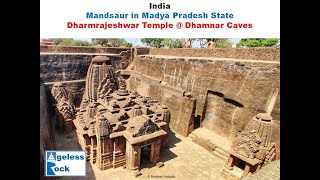
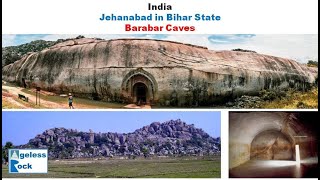
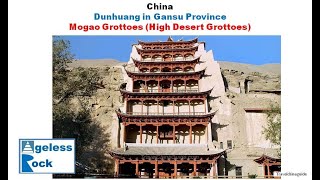
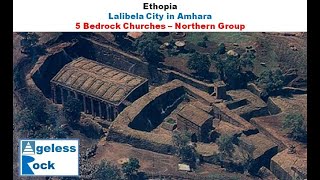
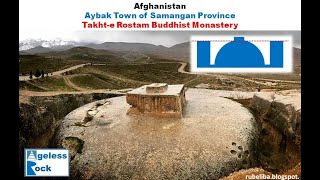
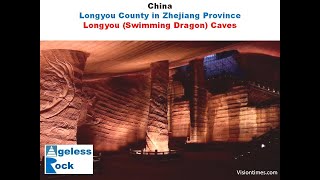
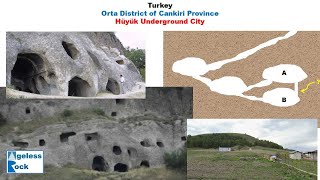
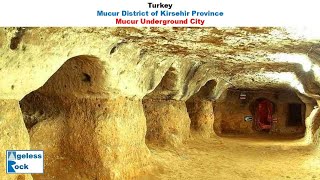
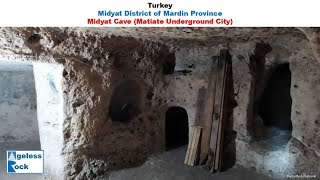
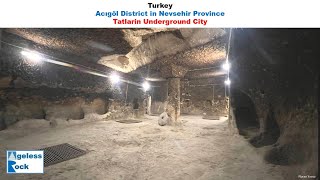
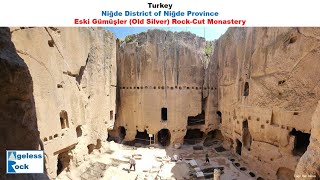
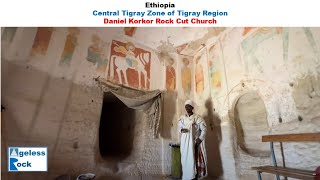
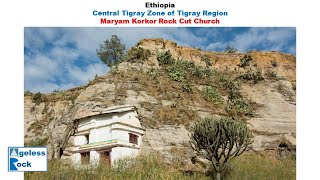
A building is normally an act of addition. You quarry a block, move it, lift it, set it down, and repeat until the thing stands. The sites in this family reverse that completely. Nothing is carried in. The masons start at the top of a living rock face and remove everything that is not the building, which means every cut is final, the plan has to be held in the head before the first blow, and there is no correcting a wall that has been cut too thin. Ethiopia sinks whole churches into the ground. India carves a temple complex out of one hillside from the roof down. Türkiye takes it underground for eighteen storeys. Afghanistan cuts a stupa out of the bedrock rather than raising one. China opens grottoes into cliffs by the thousand. These are separate cultures with separate histories and no plausible line of contact, using the same counter-intuitive method.
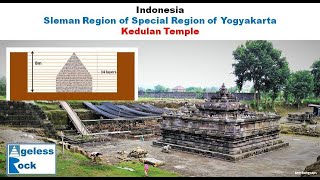
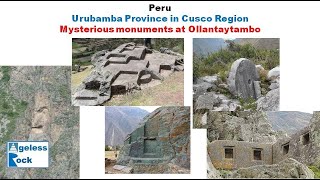
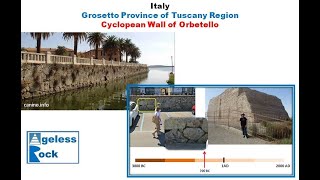
Square your stone and you can stack it fast, but the wall is only as strong as the mortar and the courses run straight through, which is exactly where a wall fails when the ground moves. The alternative is slower and stranger: take the block roughly as the quarry gives it, then cut each face to the blocks already laid, so no two stones are alike and no vertical joint runs through. The result is a wall that flexes. In an earthquake the empty joints act as energy sinks, blocks rocking and sliding fractionally against each other instead of storing the shock until something snaps. That is the practical reason the technique recurs. What it does not explain is the tolerance at the top of the range, or joint faces that curve in two directions so a block cannot be lowered straight in along any axis.
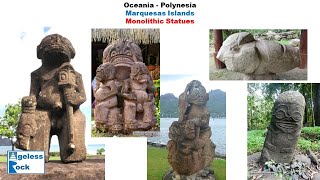
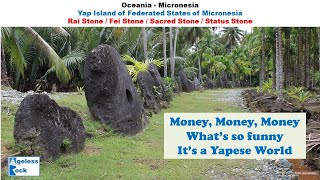
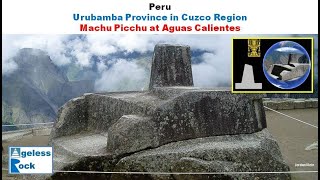
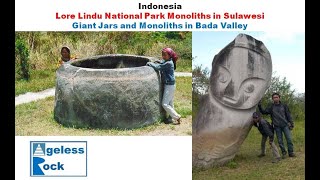
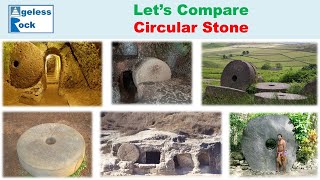
Every culture in this family reached a point where it stopped making the stones bigger, and the place where each one stopped is the most informative thing about it. China left the Yangshan stele lying in its quarry, cut free on three sides, far past any weight that could have been moved. Micronesia ferried limestone discs between islands by sea. The Marianas raised capped pillars; Nan Madol stacked basalt logs into an island city on a reef. Peru brought porphyry across a river and up the opposite slope. The common thread is not size for its own sake. It is that in each case the effort is wildly disproportionate to any structural need, which means the mass itself was the point, and that is a statement about intent rather than engineering.
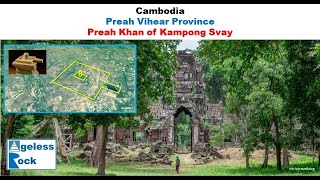
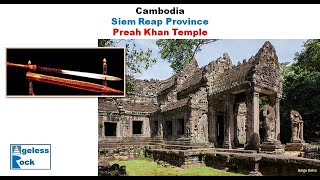
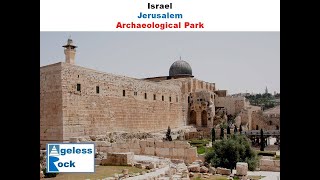
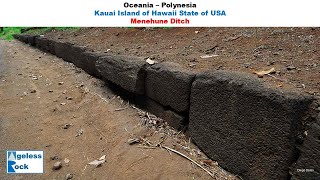
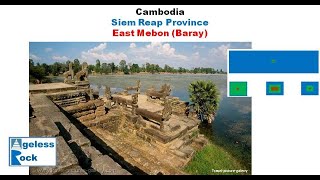
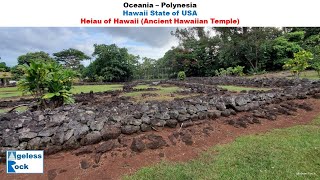
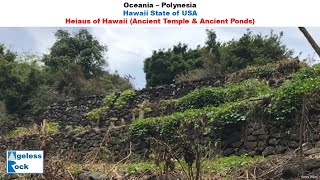
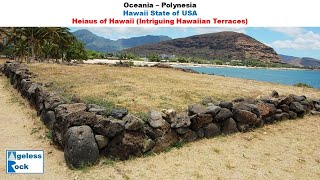
This is the family that gets walked past, because a reservoir does not photograph like a pyramid. Angkor is the clearest case: the temples are what visitors come for, but the barays around them are the larger achievement by volume of earth moved, and they are laid out with a precision that has nothing to do with irrigation alone. Jerusalem cuts a tunnel through solid rock from both ends at once and meets in the middle. Kauai builds a ditch of dressed, fitted stone to carry water to taro, and a fishpond wall long enough to be visible from altitude. Sort by country and these never appear together. Sort by what was actually built and they are obviously one idea: control the water, at a cost that only makes sense if water was the sacred part.
Sorted by country, these are four separate holidays. Sorted by method, they are four arguments. Why this page is built the way it is
All 296 episodes, 196 sites, 22 countries. Filter by what a place is, search by name, and turn the pages with the arrows or the ← → keys. 14 entries have no site record in the Atlas yet and are marked unplaced rather than hidden.